The world of digital entertainment has been revolutionized by IPTV, offering a vast array of live channels, on-demand movies, and series directly over the internet. However, to fully unlock this potential, understanding IPTV compatibility is paramount. This means knowing which devices can run your IPTV service, what apps are needed, and what technical requirements your setup must meet. Without the right compatibility, even the most premium IPTV subscription can lead to frustrating buffering, login issues, or simply not working at all. This guide aims to demystify IPTV compatibility, ensuring you get the most out of your streaming experience, whether you’re a seasoned streamer or new to the IPTV landscape. We’ll explore the diverse range of devices that support IPTV, the essential applications you’ll need, and the underlying requirements that ensure smooth, uninterrupted viewing. For those seeking a reliable IPTV experience across multiple platforms, understanding this foundational aspect is key.
Understanding IPTV Compatibility: The Foundation of Your Streaming Experience
IPTV compatibility is the cornerstone of a seamless viewing experience. It’s the overarching concept that dictates whether your chosen IPTV service will function correctly on your preferred devices, using the applications you have access to, and within the technical parameters of your internet connection. Think of it as the bridge that connects your IPTV subscription to your entertainment needs. When we talk about IPTV compatibility, we’re essentially discussing the synergy between the IPTV service provider, the software (apps), and the hardware (devices) you use.
A provider like IPTVDIGI, for instance, emphasizes broad device compatibility as a core strength. Their commitment to ensuring their service works across a wide array of platforms, from Smart TVs and popular streaming sticks like the Amazon Firestick to Android devices, smartphones, tablets, and even desktop operating systems like Windows and Mac, is crucial. This means that users aren’t locked into a single device for their entertainment. However, even with a universally compatible service, the specific app used and the device’s capabilities can influence the quality and stability of the stream.
At its core, successful IPTV streaming relies on a stable internet connection. While not directly a software or hardware compatibility issue, it’s a fundamental requirement. Insufficient bandwidth or a shaky Wi-Fi connection can negate the benefits of having a highly compatible device and app. Therefore, when evaluating IPTV compatibility, always consider your internet speed and stability as a prerequisite for any other setup.
Essential Components for IPTV Compatibility
To navigate the landscape of IPTV compatibility effectively, it’s important to break down the key components that make it all work:
1. The IPTV Service Provider: This is the source of your content. Providers like IPTVDIGI offer the actual stream links and data. Their service’s technical implementation, server stability, and support for various streaming protocols directly impact compatibility. A provider that uses standard protocols like M3U or Xtream Codes API will naturally be more compatible with a wider range of apps and devices.
2. The IPTV Player Application: This is the software that decodes and plays the IPTV streams on your device. These apps act as the interface between the service provider’s data and your screen. They need to be compatible with your device’s operating system (e.g., Android, iOS, tvOS, Windows). Popular IPTV apps include IPTV Smarters Pro, TiviMate, GSE Smart IPTV, VLC Media Player, and Perfect Player. Some providers may recommend specific apps for the best experience.
3. The Device (Hardware): This is the physical unit where you watch your content – your Smart TV, smartphone, tablet, streaming box, or computer. For a device to be compatible, its operating system must support the IPTV player application, and it must have sufficient processing power and a compatible video decoder to handle the chosen streaming quality (e.g., HD, 4K).
A strong understanding of how these three elements interact is crucial for any user looking to set up an IPTV service. When these components are in sync, users can enjoy smooth playback, quick channel zapping, and access to advanced features like Electronic Program Guides (EPGs).
Device Compatibility: Where the Magic Happens
The range of devices that can support IPTV has expanded dramatically, making it accessible to virtually anyone with a modern gadget and an internet connection. Understanding which devices are compatible and what to look for when choosing one is key to a flexible and enjoyable IPTV experience. Providers like IPTVDIGI pride themselves on offering unparalleled all-device compatibility, ensuring users can access their premium content across various platforms.
Smart TVs (Samsung, LG, Sony, etc.)
Modern Smart TVs come with built-in operating systems (like Tizen for Samsung, webOS for LG, or Android TV for Sony) that can often run dedicated IPTV apps directly. The ease of use is a major advantage.
- How it works: You can usually download IPTV player apps from the TV’s app store. If a dedicated app isn’t available, most Smart TVs can play M3U links via browser-based players or by installing a media player like VLC.
- Considerations: Ensure your TV’s operating system is up-to-date and capable of running the chosen app smoothly. Older Smart TVs might have limited app support.
Android TV Boxes and Google TV Devices
These devices, including popular choices like the Nvidia Shield TV, Chromecast with Google TV, and numerous other Android TV boxes, are perhaps the most versatile for IPTV. Running the Android operating system, they have access to the Google Play Store, which hosts a vast selection of IPTV applications.
- How it works: Download IPTV player apps like TiviMate, IPTV Smarters Pro, or Perfect Player directly from the Google Play Store.
- Considerations: The processing power and RAM of the box will determine its ability to handle multiple connections or high-bitrate 4K streams. A good Android TV box, like those recommended for iptv compatibility, offers a robust streaming experience.
Amazon Fire TV Devices (Firestick, Fire TV Cube)
The Amazon Fire TV ecosystem, particularly the Fire TV Stick, is incredibly popular for IPTV streaming due to its affordability and ease of use. While it runs Fire OS (a fork of Android), it doesn’t have direct access to the Google Play Store.
- How it works: IPTV apps are typically installed via “sideloading” or by using the Amazon Appstore if the app is listed. Apps like IPTV Smarters Pro and Downloader are commonly used for installing IPTV players.
- Considerations: Fire OS can sometimes be a bit more restrictive than pure Android, but it remains highly compatible with most IPTV services.
Smartphones and Tablets (Android & iOS)
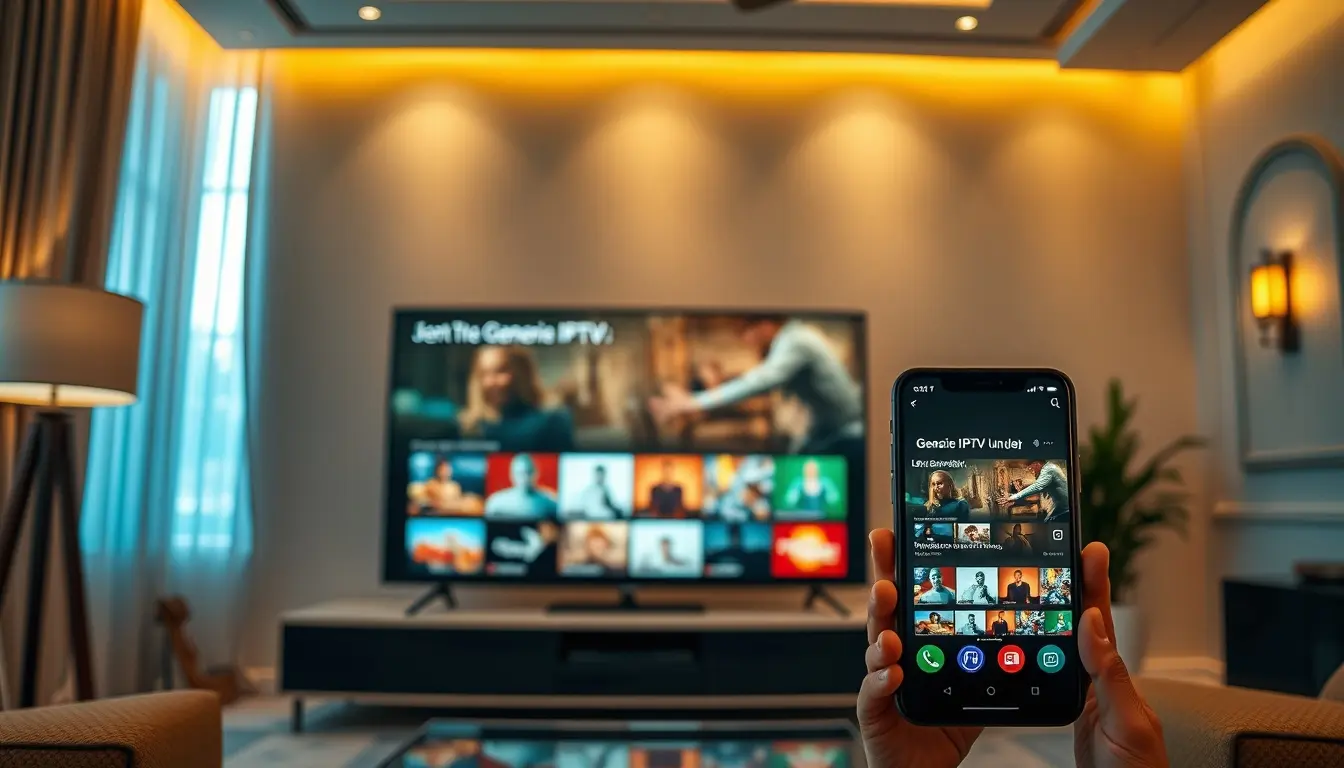
Your mobile devices are powerful IPTV hubs. Both Android and iOS platforms support a wide array of IPTV applications, making them ideal for on-the-go streaming.
- How it works: Download IPTV player apps from the Google Play Store (for Android) or the Apple App Store (for iOS). Apps like GSE Smart IPTV, VLC, and IPTV Smarters Pro are readily available.
- Considerations: Streaming quality can be affected by your mobile data plan or Wi-Fi signal strength. Battery life is also a factor for extended viewing sessions.
Computers (Windows and macOS)
Desktop and laptop computers offer a straightforward way to enjoy IPTV, often requiring less setup than dedicated streaming devices.
- How it works: Media players like VLC Media Player can directly play M3U playlists. Alternatively, you can install IPTV player applications designed for desktop operating systems, such as IPTV Smarters Pro or Kodi with an IPTV Simple Client add-on.
- Considerations: A stable internet connection is crucial, especially for high-definition streams. Using a wired Ethernet connection can often provide more stability than Wi-Fi.
MAG Boxes and Other Linux-based Set-Top Boxes
Older, but still relevant, MAG boxes (like MAG 250, MAG 254) and similar Linux-based receivers are designed specifically for IPTV using the Stalker middleware.
- How it works: These devices require an M3U playlist or the service’s portal URL to be configured. They often use a provider’s proprietary portal.
- Considerations: Compatibility is typically tied to the specific middleware they support. While less flexible than Android-based devices for app installation, they are purpose-built for IPTV.

IPTV Apps: Your Gateway to Streaming
The IPTV player application is the crucial intermediary between your IPTV subscription content and your viewing device. Choosing the right app can significantly enhance your streaming experience by offering features like EPG integration, channel categorization, recording capabilities, and a user-friendly interface. Different devices and operating systems support a variety of apps, and some IPTV providers may even recommend specific players for optimal performance and iptv device support.
Popular IPTV Player Applications
- IPTV Smarters Pro: This is one of the most widely used and recommended IPTV players. It’s available for Android, iOS, Windows, macOS, and as a web version. It features an intuitive interface, EPG support, VOD section, account management, and supports Xtream Codes API and M3U playlists. Its broad compatibility makes it a go-to for many users, including those with IPTVDIGI subscriptions.
- TiviMate: Exclusively for Android TV and Google TV devices, TiviMate is lauded for its modern, user-friendly interface and excellent EPG integration. It offers features like customizable playlists, favorite channels, and recording options, providing a premium viewing experience on supported devices.
- VLC Media Player: A versatile and free media player available for almost all platforms (Windows, macOS, Linux, Android, iOS). VLC can play M3U playlists directly, making it a simple, no-frills option for basic IPTV streaming. While it lacks some advanced features, its universal availability makes it a reliable fallback.
- GSE Smart IPTV: Available for Android and iOS, GSE Smart IPTV is another popular choice that supports M3U playlists and Xtream Codes API. It offers EPG support, multi-language options, and parental controls, making it suitable for families.
- Perfect Player: A free IPTV player for Android devices, including Android TV. It supports EPG formatting in XMLTV, JSON, and more, along with M3U playlists. It’s known for its clean interface and good performance.
- Kodi with IPTV Simple Client: For users familiar with Kodi, the IPTV Simple Client add-on allows you to load M3U playlists and EPG data within the Kodi environment, consolidating all your media in one place.
Choosing the Right App
The choice of IPTV app often depends on your device, the type of subscription you have (M3U vs. Xtream Codes API), and the features you prioritize. For a premium experience, especially on Android TV, TiviMate is a strong contender. For cross-platform compatibility and feature-richness, IPTV Smarters Pro is an excellent choice. Always check your provider’s recommendations, as they often tailor their service for optimal performance with specific apps.
Technical Requirements for Smooth IPTV Streaming
Beyond compatible devices and apps, several technical aspects are crucial for ensuring your IPTV streams are smooth, stable, and high-quality. These requirements relate to your internet connection, device performance, and the IPTV service itself.
Internet Connection Speed and Stability
This is arguably the most critical factor. IPTV streams require a consistent and sufficient internet bandwidth.
- SD (Standard Definition): Typically requires at least 3-5 Mbps.
- HD (High Definition): Requires at least 5-10 Mbps per stream.
- 4K (Ultra High Definition): Requires 20-25 Mbps or more per stream.
Stability is as important as speed. A connection that fluctuates wildly or suffers from high latency (ping) will lead to buffering, pixelation, and dropped streams, regardless of your device’s capabilities. A wired Ethernet connection generally offers superior stability compared to Wi-Fi, especially in busy network environments.
Device Processing Power and RAM
Your streaming device needs enough processing power and memory (RAM) to decode and play high-resolution video streams without stuttering.
- Low-end devices: May struggle with HD or 4K content, especially if running multiple apps in the background.
- Mid-range and high-end devices: Such as premium Android TV boxes or modern Smart TVs, are generally well-equipped to handle demanding streams.
For services offering multi-connection options, where you can stream on multiple devices simultaneously, ensure your device and internet plan can handle the combined bandwidth and processing load.
Codec Support
Video streams are compressed using various codecs (e.g., H.264, H.265/HEVC, VP9). Your device and the IPTV player app must support the codecs used by your IPTV provider to display the video correctly. Modern devices and popular IPTV apps generally support the most common codecs, but it’s something to be aware of if you encounter playback issues on older hardware.
Provider’s Infrastructure
The IPTV provider’s own network infrastructure plays a massive role in compatibility and performance.
- Server Load: Overloaded servers can lead to slow speeds and buffering. Providers like IPTVDIGI emphasize their stable infrastructure and anti-freeze technology to combat this.
- CDN (Content Delivery Network): Providers that utilize CDNs can deliver streams from servers closer to your geographic location, reducing latency and improving stream quality.
- Service Protocols: Support for standard protocols like M3U and Xtream Codes API ensures broad compatibility with various players.
Understanding learn more here about how premium IPTV subscriptions are structured and the underlying technology can help users make informed choices.
Ensuring Maximum IPTV Compatibility: Tips and Best Practices
Achieving the best possible IPTV compatibility involves a proactive approach to setup and maintenance. It’s about optimizing your environment to ensure your chosen hardware, software, and service work harmoniously.
1. Choose a Provider with Proven Compatibility
When selecting an IPTV service, prioritize providers that explicitly state their broad device compatibility and modern protocol support. A service like IPTVDIGI, known for its smooth streaming, stable performance, and fast activation, often highlights its compatibility with a wide range of devices as a key benefit. This indicates they’ve designed their service with the modern user in mind, and you are less likely to encounter compatibility headaches.
2. Select the Right IPTV App for Your Device
As discussed, the IPTV player app is critical.
- For Android TV/Google TV: TiviMate is often the premium choice for its interface and EPG.
- For Firestick/Android Devices: IPTV Smarters Pro is a versatile and feature-rich option.
- For Cross-Platform Needs: VLC Media Player is a reliable, albeit basic, solution for universal playback.
Always ensure the app you choose is compatible with your device’s operating system version.
3. Verify Your Internet Connection
Before subscribing, test your internet speed and stability. Use online speed test tools and check your ping. If your connection is consistently slow or unstable, it’s the first thing you should address, potentially by upgrading your internet plan or moving closer to your Wi-Fi router. For critical viewing, consider a wired Ethernet connection.
4. Keep Devices and Apps Updated
Software updates are released to fix bugs, improve performance, and add new features, including compatibility enhancements. Regularly update your device’s operating system, your IPTV player app, and any other related firmware. This is a simple yet effective way to maintain optimal performance and compatibility.
5. Understand Subscription Plans and Connections
Some IPTV providers offer multiple connection plans, allowing you to stream on several devices simultaneously. When evaluating different subscriptions, consider how many devices you intend to use concurrently. A single-connection plan might be sufficient for personal use, while a multi-connection plan is necessary for households with multiple viewers. Understanding the additional resource on subscription plans and discounts can help you find a plan that balances cost and functionality.
6. Leverage Provider Support
A responsive customer support team is invaluable when facing compatibility issues. Providers like IPTVDIGI offer 24/7 customer support to assist with setup, troubleshooting, and ensuring you get the most out of their service across your devices. Don’t hesitate to reach out for help if you encounter problems.
7. Check for Content Quality Options
While not strictly a compatibility issue, choose an IPTV service that allows you to select streams based on quality (SD, HD, 4K). This allows you to match the stream quality to your internet bandwidth and device capabilities, preventing playback issues. For example, if your internet is struggling with 4K, dropping to an HD stream can resolve buffering.
By following these tips, you can significantly improve the reliability and enjoyment of your IPTV experience, ensuring that your chosen devices and apps work seamlessly with your subscription.

Frequently Asked Questions About IPTV Compatibility
### What is the most compatible device for IPTV?
Generally, Android TV boxes, Google TV devices, and Amazon Fire TV devices are considered highly compatible due to their access to a wide range of IPTV player apps through the Google Play Store or sideloading. However, modern Smart TVs and even computers running Windows or macOS also offer excellent compatibility with the right apps.
### Can I use my Smart TV without an app for IPTV?
Yes, in some cases. Many Smart TVs have built-in web browsers that can play M3U playlists directly. Additionally, some TVs can install universal media players like VLC, which can handle M3U links. Alternatively, you can cast from a smartphone or tablet to your Smart TV if the mobile app supports casting.
### Do I need a powerful device for IPTV?
While a powerful device is beneficial for smooth 4K streaming and multi-connection capabilities, most standard HD IPTV streaming can be performed on moderately capable devices. For basic IPTV playback, an entry-level Android TV box or even a smartphone will suffice. However, for the best, most fluid experience, especially with newer devices and higher resolutions, more processing power and RAM are recommended.
### How do I find out if my specific IPTV box is compatible?
Check the specifications of your IPTV box. If it runs Android or Fire OS, it is highly likely to be compatible with most IPTV apps and services. Look for apps like IPTV Smarters Pro or TiviMate in its app store, or research online if it supports M3U playback. A proactive provider like IPTVDIGI will clearly list supported devices.
### Is IPTV compatible with Apple TV?
Yes, Apple TV devices running tvOS can be highly compatible with IPTV. You can install various IPTV player apps from the Apple App Store, such as IPTV Smarters Pro, GSE Smart IPTV, or Mr. TV Player, which allow you to input your subscription details and stream content.