The world of television has undergone a dramatic transformation, moving away from traditional broadcast methods to over-the-top digital delivery. At the forefront of this revolution is Internet Protocol Television, commonly known as IPTV. If you’re new to the scene and wondering how iptv streaming works, you’ve come to the right place. This guide is designed to demystify the technology, explaining the fundamental concepts behind internet television and what you can expect from modern IPTV services like IPTVDIGI. We’ll break down the components, the process, and why it has become the preferred choice for millions seeking a superior entertainment experience with reliable streaming, vast content libraries, and seamless device compatibility.
Understanding the Core Technology: How IPTV Delivers Content
At its heart, IPTV is a system that delivers television content using the Internet Protocol. Unlike traditional cable or satellite TV, which broadcast signals over dedicated infrastructure, IPTV transmits video streams over standard internet connections. This fundamental difference unlocks a world of possibilities in terms of content delivery, flexibility, and interactive features.
The Protocol That Powers It All
The “IP” in IPTV stands for Internet Protocol, the very system that governs how data is sent and received across networks, including the internet. When you stream content via IPTV, you’re essentially receiving video data packets that are routed to your device, much like how you receive email or browse websites. This packet-switched network approach allows for efficient delivery of different types of content, and for IPTV, it means your favorite shows, live sports, and movies are delivered directly to your screen over your broadband connection.
From Broadcast to Broadband: The Shift in Delivery
Traditional television relies on a one-way broadcast model. Signals are sent out from a central point, and your TV tuner deciphers them. IPTV, on the other hand, leverages a two-way, on-demand system. Your internet service provider (ISP) plays a crucial role as the gateway for this data. When you select a channel or a video-on-demand (VOD) option, your request travels across the internet to the IPTV provider’s servers. These servers then package the content into data streams and send them back to your device. This is why a stable and fast internet connection is paramount for a smooth IPTV experience.
The Journey of an IPTV Stream: From Server to Your Screen
To truly grasp how iptv streaming works, let’s trace the path of a video from the provider’s server all the way to your television or viewing device.
1. Content Acquisition and Encoding
IPTV providers aggregate content from various sources, including live television feeds, movie libraries, and series databases. This content is then digitized and encoded into formats that are suitable for digital transmission over the internet. Modern IPTV services typically use efficient codecs like H.264 or H.265 (HEVC) to compress video data, ensuring high quality while minimizing bandwidth requirements. This encoding process is critical for delivering high-definition and even 4K content without excessive buffering.
2. Server Infrastructure and Content Delivery Networks (CDNs)
The encoded video streams are stored and managed on powerful server infrastructure. For widespread and fast delivery to users across different geographical locations, many providers utilize Content Delivery Networks (CDNs). CDNs are distributed networks of servers that cache content closer to end-users, reducing latency and improving streaming speeds. This means that no matter where you are, you’re accessing content from a server that’s relatively nearby, ensuring a smoother playback experience.
3. The User’s Request and Stream Delivery
When you subscribe to an IPTV service and select a channel or movie, your IPTV application or device sends a request through your internet connection to the provider’s servers. Authentication is verified, and if successful, the server begins streaming the requested content as a series of data packets.
4. The Role of Middleware and Applications
To manage subscriptions, provide channel lists, electronic program guides (EPGs), and enable user interaction, IPTV providers use middleware. This software layer acts as an intermediary between the user, the content, and the delivery network. On your end, you’ll interact with an IPTV application (like IPTV Smarters, TiviMate, or a custom app) or a device’s built-in player. These applications interpret the data streams and render the video on your screen. For a user-friendly experience, providers like IPTVDIGI focus on ensuring their service is compatible with a wide range of applications and devices, making setup straightforward.
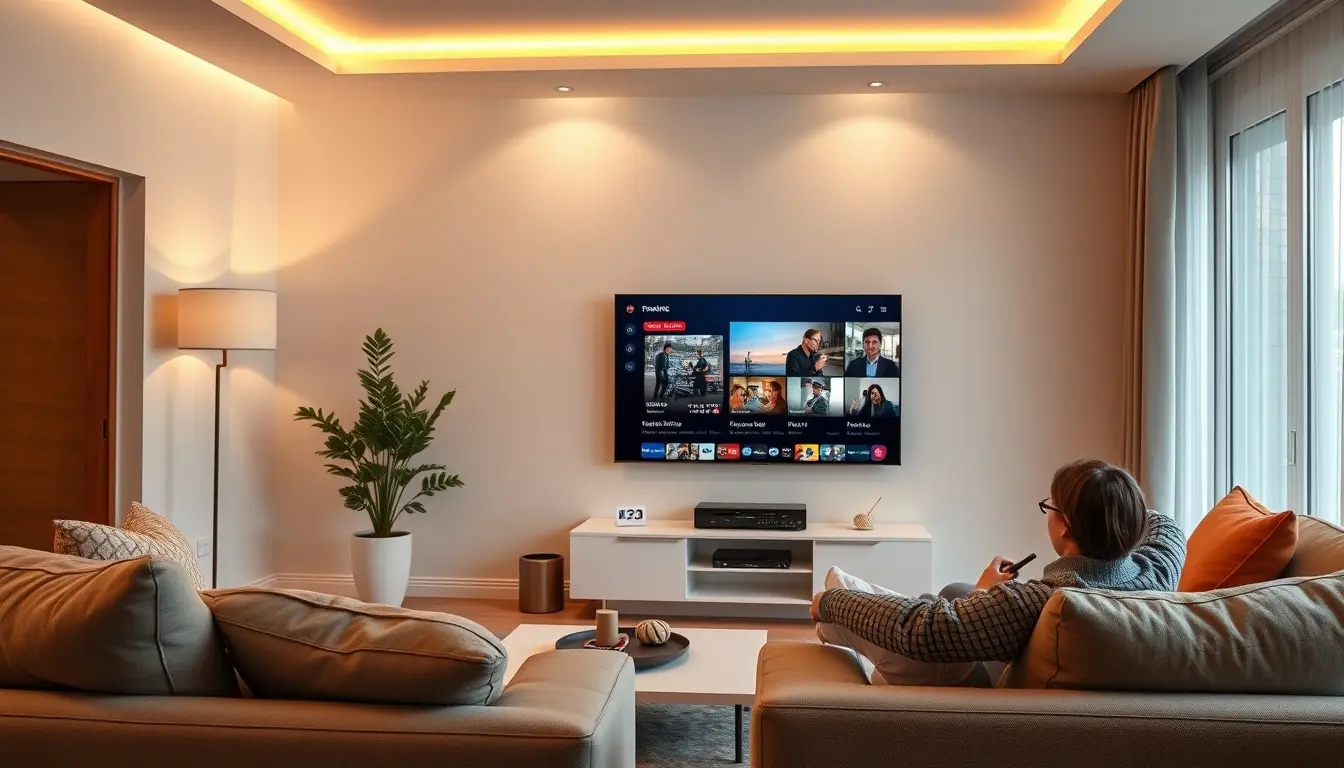
Key Components of an IPTV Setup
Understanding the basic technology is one thing, but knowing the components that make up a functional IPTV setup ties it all together.
A Reliable Internet Connection
This is non-negotiable and the most critical component. IPTV relies entirely on your internet connection for content delivery. The speed, stability, and latency of your internet service directly impact the quality of your streaming experience. For HD streaming, a minimum of 15-20 Mbps is generally recommended, while 4K content can require 25-50 Mbps or more. Beyond raw speed, a stable connection with low latency minimizes buffering and ensures smooth playback. If you’re experiencing issues, learning how to boost streaming speed and avoid buffering is crucial, and you can learn more here.
IPTV Subscription Service
You need content to stream, and that’s where an IPTV subscription comes in. Providers like IPTVDIGI offer access to a vast library of live TV channels, movies, series, and sports. These subscriptions are typically digital and delivered via credentials (username, password, and sometimes a portal URL) that you enter into your IPTV application. The quality of the service provider is paramount. A premium provider focuses on delivering a stable, high-quality stream with minimal downtime and excellent performance, which is a cornerstone of IPTVDIGI’s service promise. When considering options, an iptv service comparison can help illustrate the value offered by different providers.
IPTV Application or Player
This is the software interface you use to access your subscription. IPTV applications are available for a wide array of devices. They allow you to browse EPGs, select channels, manage VOD content, and play streams. Popular choices include IPTV Smarters Pro, TiviMate, VLC Media Player, and Xtreme Codes compatible players. Many Smart TVs and streaming devices also have native support for IPTV playlists, often in M3U format.
Compatible Device
You need a device capable of running an IPTV application and connecting to the internet. The beauty of IPTV is its versatility. You can stream on:
- Smart TVs: Most modern Samsung, LG, Sony, and other smart TV brands have app stores where you can download IPTV players or support M3U playlists.
- Streaming Devices: Amazon Fire TV Stick (Firestick), Roku, Apple TV, Google Chromecast with Google TV, and Nvidia Shield are popular choices, offering dedicated app support.
- Android Devices: Android smartphones, tablets, and Android TV boxes are fully compatible, offering extensive app options.
- Computers: Windows and macOS users can use applications like VLC Media Player or dedicated IPTV software.
- Set-Top Boxes: Dedicated IPTV boxes like Formuler devices are designed for an optimized IPTV experience.
- Gaming Consoles: Some consoles may have compatible media players or apps.
IPTVDIGI prides itself on broad device compatibility, ensuring users can enjoy their subscription across multiple device types with ease.
Advantages of IPTV Streaming Over Traditional TV
The shift towards IPTV isn’t just a trend; it’s driven by tangible benefits that traditional television struggles to match.
On-Demand Content and Flexibility
Unlike scheduled broadcast television, IPTV offers extensive Video-on-Demand (VOD) libraries. This means you can watch movies and series whenever you want, not just when they are aired. Many services also offer catch-up TV or DVR-like functionality, allowing you to watch programs from the past few days or record them for later viewing. IPTVDIGI provides access to over 190,000 films and series, alongside a massive selection of live channels, offering unparalleled viewing flexibility.
Higher Quality Streams and Stability
Reputable IPTV providers invest heavily in their infrastructure to ensure high-quality, stable streaming. Services like IPTVDIGI employ anti-freeze technology and focus on smooth playback, offering content in HD and 4K resolutions. This commitment to quality provides a premium viewing experience that often surpasses the pixelation or signal loss sometimes associated with satellite or cable.
Cost-Effectiveness
When you compare the cost of comprehensive cable or satellite packages with the vast content libraries offered by IPTV services, IPTV often represents a more cost-effective solution. You get access to thousands of channels and an extensive VOD library for a fraction of the price. IPTVDIGI’s subscription plans are designed to offer exceptional value, especially with multi-connection options like their 2-year plan for 6 connections.
Multi-Device Compatibility
The ability to stream on virtually any internet-connected device is a significant advantage. Whether you’re on your TV, tablet, smartphone, or laptop, you can pick up where you left off or enjoy your IPTV service, making it ideal for modern, mobile lifestyles.
Enhanced User Experience
IPTV platforms often feature user-friendly interfaces, comprehensive Electronic Program Guides (EPGs) that display channel schedules and program information, and simple navigation. This makes finding and watching content straightforward and enjoyable.
Troubleshooting Common IPTV Streaming Issues
While IPTV offers a superior experience, occasional hiccups can occur. Understanding common issues and their solutions can save you frustration.
Buffering and Freezing
This is perhaps the most common complaint. The primary culprits are usually:
- Internet Speed: Your internet connection might not be fast enough or is experiencing fluctuations. Check your speed and consider upgrading your plan if consistently low.
- ISP Throttling: Some ISPs may intentionally slow down streaming traffic. Using a VPN can sometimes help bypass this, but it’s essential to use a VPN specifically for IPTV if you go this route: an additional resource on this topic can be helpful.
- Server Load: High traffic on the IPTV provider’s servers can also lead to buffering. Reputable providers like IPTVDIGI have robust infrastructure to minimize this.
- Device Performance: An older or underpowered device might struggle to process streams.
- Wi-Fi Interference: A weak or congested Wi-Fi signal can disrupt streaming. Try moving closer to your router, using a wired Ethernet connection, or optimizing your Wi-Fi channel.
App Crashing or Not Loading
- App Cache and Data: Try clearing the cache and data for your IPTV app in your device’s settings.
- App Updates: Ensure your IPTV app is updated to the latest version.
- Device Restart: A simple reboot of your device can often resolve temporary glitches.
- Reinstall App: If problems persist, uninstall and reinstall the IPTV application.
No Channels or VOD Content Showing
- Credentials: Double-check that you have entered your username, password, and portal URL (if applicable) correctly.
- Subscription Status: Ensure your subscription is active and has not expired.
- Server Issues: Contact your IPTV provider’s customer support. They can confirm if there are ongoing server maintenance or outages. IPTVDIGI offers 24/7 customer support to address such concerns promptly.
- EPG Sync: Sometimes the EPG data may need to be refreshed within the app.
Poor Video or Audio Quality
- Streaming Quality Settings: Check if your app allows you to adjust the playback quality. Select a higher quality setting if your internet speed supports it.
- Provider’s Source Quality: The original source of the content might be of lower quality, but premium providers like IPTVDIGI focus on delivering the best possible streams.

Choosing the Right IPTV Service
With numerous IPTV providers available, selecting the right one is crucial for a satisfying experience. Here’s what to look for, keeping in mind the strengths of a service like IPTVDIGI:
- Reliability and Stability: Look for providers that emphasize stable streaming and anti-freeze technology. This is a hallmark of IPTVDIGI.
- Content Library: Ensure the service offers the channels, movies, and series you’re interested in. A vast library, like IPTVDIGI’s over 21,000 live channels and extensive VOD, provides excellent value.
- Device Compatibility: Check if the service works with your preferred devices and applications.
- Activation Speed: Fast activation means you can start watching sooner. IPTVDIGI is known for its quick activation process, often contacting customers shortly after subscription.
- Customer Support: Responsive and accessible 24/7 support is invaluable for troubleshooting and assistance.
- Streaming Quality: Look for providers offering HD and 4K content with good bitrates.
- Price and Plan Value: Consider the cost versus the features offered, especially multi-connection options for sharing.
When you’re ready to explore the world of IPTV, choosing a provider like IPTVDIGI ensures you’re investing in a premium, reliable, and smooth streaming experience across all your devices.
Frequently Asked Questions About IPTV Streaming
### What is the difference between IPTV and regular TV streaming services like Netflix?
While both deliver content over the internet, IPTV typically focuses on providing live TV channels, sports, and often a more extensive VOD library, mimicking traditional TV but with the flexibility of IP delivery. Services like Netflix are primarily on-demand platforms offering their own exclusive content libraries. Many modern IPTV services, including IPTVDIGI, offer a blend of live TV and vast VOD content.
### Do I need a special TV for IPTV?
No, you do not need a special TV. As long as your TV is a Smart TV with an app store, supports web browsing, or can connect to a streaming device (like a Firestick, Apple TV, or Android box), you can use IPTV. Even older TVs can be made compatible by connecting them to a compatible streaming device or computer.
### Is IPTV legal?
The legality of IPTV depends on the provider and the content they offer. Services that source copyrighted content without proper licensing are illegal. However, legal IPTV services exist, and providers like IPTVDIGI are committed to offering legitimate and reliable access to content, adhering to broadcast rights. It’s crucial to choose a provider that is transparent about their content sourcing and licensing.
### How fast does my internet need to be for IPTV?
For SD (Standard Definition) streaming, around 5-8 Mbps is often sufficient. For HD (High Definition) streaming, 15-25 Mbps is recommended for a smooth experience. For 4K content, aim for 25-50 Mbps or higher. However, consistency and low latency are just as important as raw speed.