The Ultimate Guide to Setting Up Your Digital Entertainment System
Introduction
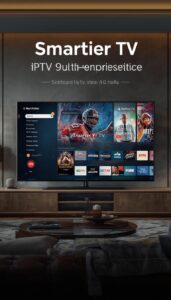
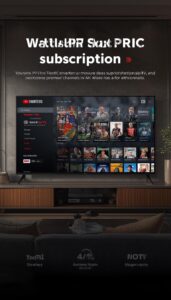
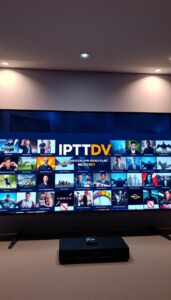
In today’s digital age, entertainment options have expanded beyond traditional cable and satellite services. Many viewers are now turning to IPTV subscription platforms for their television needs. These internet-based solutions offer flexibility and extensive content libraries that conventional services can’t match. The growing popularity of IPTV services demonstrates the shifting landscape of home entertainment, with more consumers seeking affordable alternatives that don’t compromise on quality or variety.
Step-by-Step Instructions
Setting up your digital entertainment system with an IPTV subscription is simpler than you might think:
1. Choose the right provider: Research providers based on content offerings, streaming quality, and user reviews.
2. Select your subscription plan: Most providers offer various packages ranging from monthly to annual plans.
3. Download the appropriate application: Depending on your device (smart TV, smartphone, or streaming box).
4. Activate your account: Input the credentials provided when you purchased your plan.
5. Configure your settings: Adjust video quality based on your internet connection speed.
6. Create favorites: Organize channels for easy access to your preferred content.
Many IPTV services also offer additional features like DVR functionality, allowing you to record programs for later viewing.
Tips
To enhance your viewing experience:
- Optimize your internet connection: Consider using an Ethernet cable instead of Wi-Fi for more stable streaming.
- Use a VPN for privacy: This adds an extra layer of security when streaming content.
- Regularly update your applications: This ensures you have the latest features and security patches.
- Consider investing in a dedicated streaming device: Devices like the Nvidia Shield or Amazon Fire Stick can provide a smoother experience than some smart TVs.
- Check compatibility: Before subscribing, ensure the service works with your preferred devices.
Alternative Methods
While dedicated IPTV platforms are popular, other streaming options exist:
1. Traditional streaming services: Netflix, Hulu, and Amazon Prime Video offer extensive libraries without live television.
2. Free ad-supported platforms: Services like Pluto TV or Tubi provide content without subscription fees.
3. Network-specific applications: Many networks offer free apps with limited content or full access with cable credentials.
4. Social media platforms: YouTube and Facebook Watch provide both user-generated and professional content.
5. Digital antennas: These capture over-the-air broadcasts of local channels for free.
Each option has strengths and limitations regarding content availability, streaming quality, and cost.
Conclusion
The transition to digital entertainment through an IPTV subscription represents a significant shift in how we consume media. With the right setup and knowledge, viewers can access a world of content at their fingertips. Whether you’re looking to cut costs, increase viewing options, or simply try something new, IPTV services offer compelling alternatives to traditional television. As internet infrastructure continues to improve globally, we can expect these platforms to evolve with enhanced features, more content options, and improved user experiences. The future of television isn’t just about what we watch—it’s about how we watch it, and digital platforms are leading this transformation.